



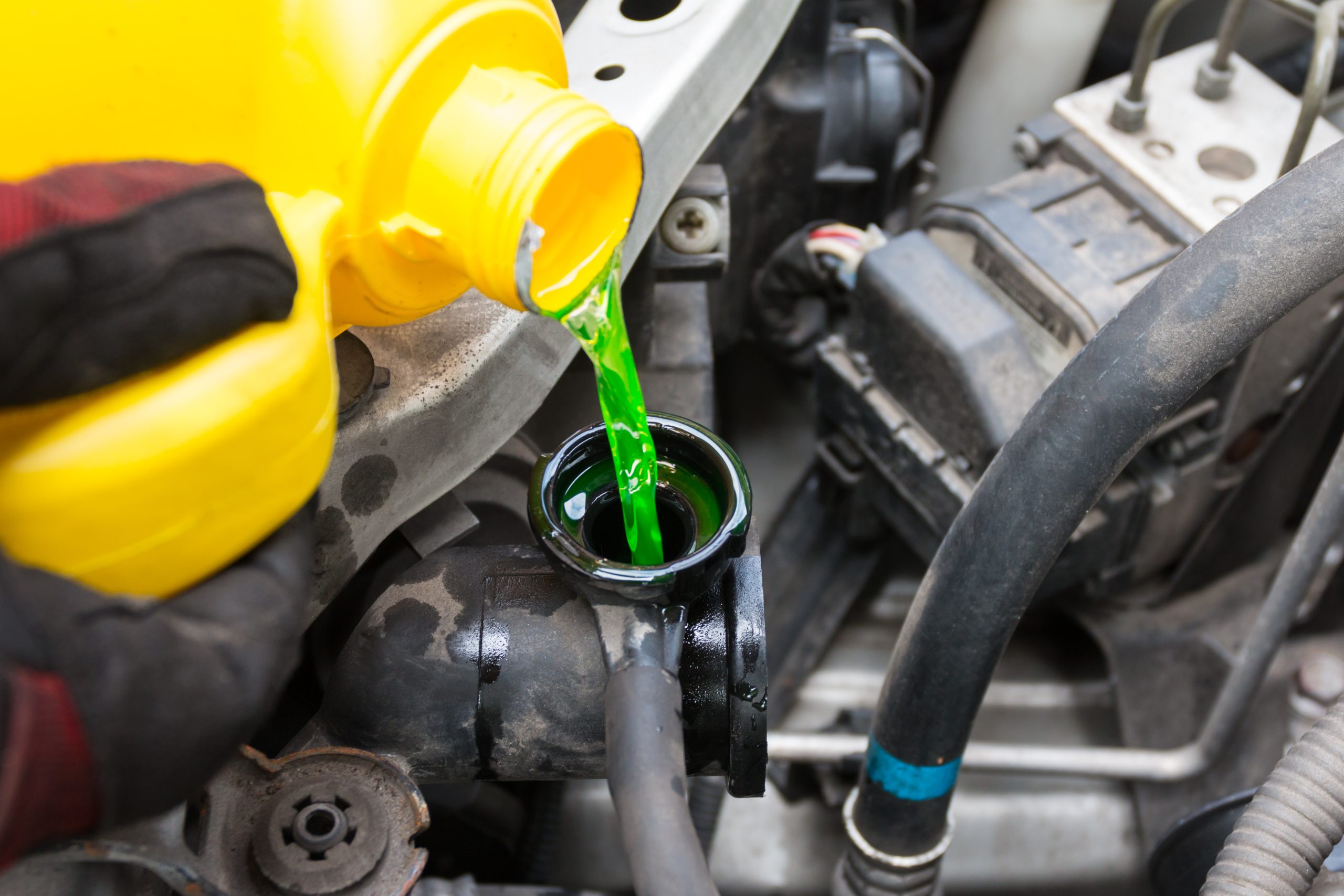
Your Cadillac contains a wide variety of fluids, and each fluid has a specific role in the smooth operation of your vehicle. Over time, these fluids gradually lose their potency and need replacement. Some fluids can even cause avoidable damage if they’re not replaced when they’re due. We want to tell you about a few of these fluids that need replacement as part of your Cadillac maintenance.
Cadillac Maintenance: Brake Fluid, Power Steering, and Coolant Replacement
Brake Fluid
Brake fluid is thin and looks similar to cooking oil. It’s stored in the brake fluid reservoir and is highly pressurized. When you hit the brakes, this pressurized fluid is forced through the brake hoses, pushing the pins out of the calipers. The calipers close on either side of each wheel rotor and generate friction that stops your wheels.
Older brake fluid supplies less hydraulic pressure than it once did and can also overheat. Overheated brake fluid doesn’t provide any pressure and prevents your brakes from working. We check the braking system for any leaks, and then we drain and replace the fluid. Brake fluid is generally replaced every 30,000 miles, but this may vary with your model.
Power Steering Fluid
Power steering allows you to turn the steering wheel without using much effort. It’s pumped through the system by the power steering pump, which is powered by the movement of the crankshaft. It’s a red-tinged fluid that gradually darkens over time to brown or black. The older fluid absorbs dirt and other debris, reducing its lubrication ability and making turning the wheel more difficult.
This fluid is usually changed every 50,000 to 75,000 miles, although the correct time for changing your Cadillac’s fluid may differ. The first sign of weakening steering fluid is increased resistance when you turn the wheel. This will worsen and make an accident more likely. Once we replace this fluid, your steering wheel will be easy to turn again.
Coolant
Coolant is a mixture of antifreeze and water and is responsible for removing heat from your engine. The engine generates large amounts of heat due to combustion and the constant movement of hundreds of components. The coolant absorbs this heat and transports it to the radiator, where the heat is removed by heat exchange.
This fluid becomes thicker and slower as it ages and can become corrosive if it’s not regularly changed. Corrosive coolant can damage the cooling system and other engine components. If your coolant is still safe, we’ll drain and replace it. If the coolant has turned corrosive, we’ll flush the cooling system to remove the old coolant and then refill it.
These are just a few of the fluids that need to be regularly changed to ensure your Cadillac performs at its best. Contact us today at Service Cadillac in Lafayette, LA.
Connect with us


Recent Blog Entries
- 2026 OPTIQ-V: Cadillac Electric Performance SUVs Signal a New Luxury Direction
- What Makes the 2026 Cadillac VISTIQ Stand Out This Year
- Why the 2026 Cadillac CELESTIQ Is Reshaping Ultra-Luxury Expectations
- 2026 Cadillac CT4 V-Series: Performance & Luxury
- The 2026 Cadillac VISTIQ: Redefining Electric Luxury
Categories